Compare retaining walls and outdoor features
Enhance Your Outdoors With Experienced Landscaping Services
Revitalizing exterior areas through professional landscape work can greatly enhance a property's appeal. Homeowners often fail to recognize the potential of their yards. A expertly planned outdoor design not only boosts aesthetics but also boosts home equity. Key elements like pathways and seating areas play an essential role. However, understanding how to achieve this transformation requires thorough deliberation of multiple aspects. What should homeowners decide on when starting on this journey?
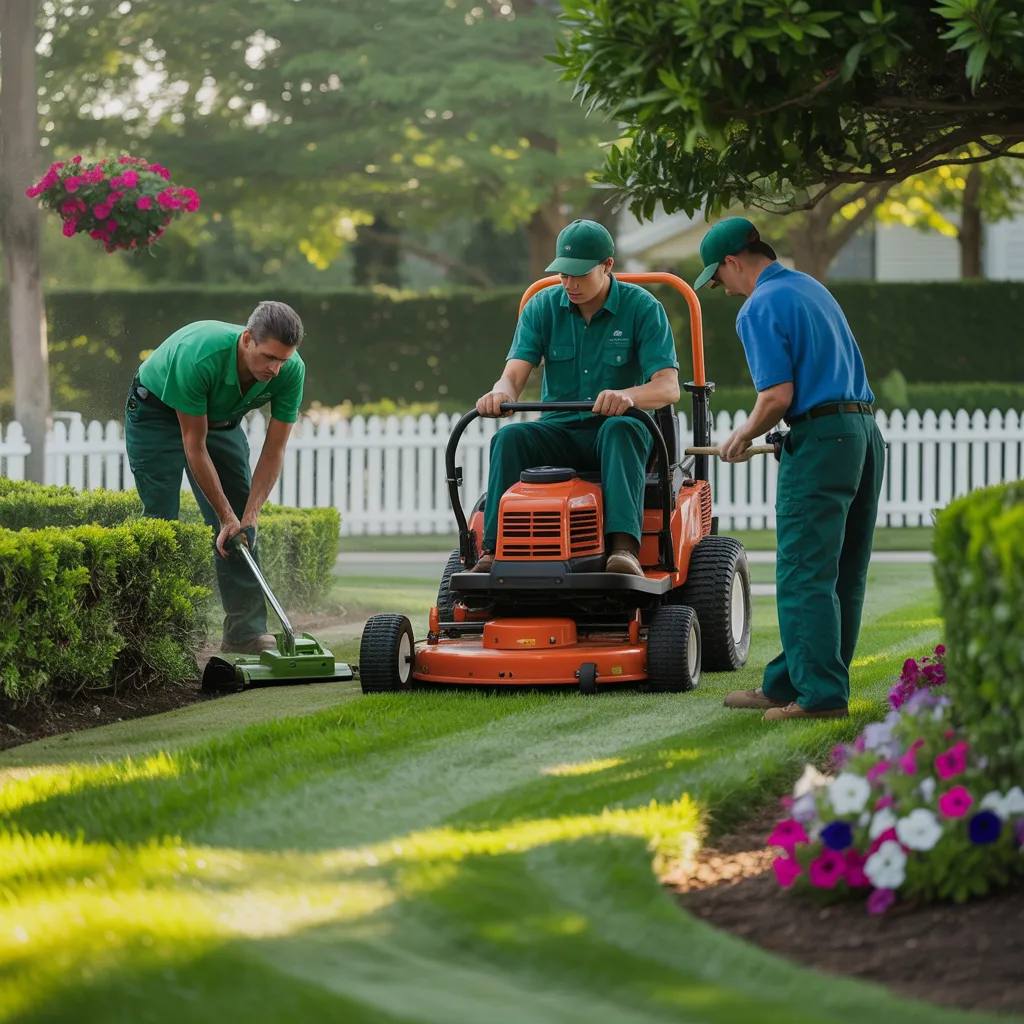
Is Your Yard Hard to Make Inviting?
Do you feel uncertain about how to reimagine your yard into a appealing space? Many folks wrestle with challenges in creating an welcoming outdoor environment. A well-designed yard functions as an extension of the home, offering a serene retreat and a place for social gatherings. However, messy grounds, wild grass, and ill-suited plants can detract from this vision.
Incorporating vital features such as access routes, gathering spaces, and diverse plant life can dramatically enhance a landscape's attractiveness. Professional landscaping can provide seasoned guidance on arrangement and plant options, guaranteeing that all components mesh. Additionally, they can help locate touches like water features or lighting that can heighten the feel. By financing these professional offerings, homeowners can construct a domain that conveys their aesthetic while promoting tranquility and pleasure. Ultimately, the objective is to produce a outdoor area that seems seamless, effective, and appealing to both occupants and guests.
Boosting Property Worth With Landscape Design
A properly upkept yard not only enhances visual attractiveness but also greatly boosts property value. Property owners who spend money on expert lawn care can expect a significant return on their investment. Beautiful landscaping establishes a inviting atmosphere, making properties more appealing to prospective purchasers. Features such as trimmed grass areas, colorful garden displays, and strategically positioned vegetation can elevate the overall appearance and character of a property.
Also, landscaping improves curb appeal, which is vital in real estate marketing. Properties with inviting outdoor spaces often move quicker in the market and at higher prices. Additionally, well-designed landscapes can optimize energy efficiency by providing shade and cutting cooling costs.
Investing in landscaping not only enhances the outdoor space but also generates a sense of pride in homeownership. Ultimately, a expertly designed yard serves as a valuable asset, strengthening both the enjoyment of the space and its market value.
Key Attributes of a Prosperous Landscape Plan
A effective landscape design includes functional outdoor spaces that improve usability and flow. Additionally, the selection of aesthetically pleasing plants plays an essential role in creating visual appeal. Together, these elements add to a harmonious and inviting environment.
Functional Outdoor Spaces
As developing a thriving landscape design, it is critical to review the usefulness of outdoor spaces. Excellent landscaping should allow for various activities, such as entertaining, gardening, and relaxation. Thoughtful placement of features like patios, walkways, and seating areas strengthens accessibility and supports ease of movement. Including elements such as outdoor kitchens or fire pits can increase the usability of these spaces, making them perfect for gatherings. Additionally, evaluation of sunlight and shade patterns is important; this confirms areas remain comfortable throughout the day. Adequate drainage and irrigation systems are also crucial for maintaining healthy plants and preventing damage. Ultimately, a well-designed functional outdoor space increases the property's value and provides a cohesive environment that meets the needs of its users.
Aesthetic Plant Varieties
Selecting plants for a landscape design is crucial, as their aesthetic appeal can considerably influence the overall ambiance of the space. A well-chosen plant palette boosts visual interest further information and creates harmony within the environment. Professionals often take into account factors such as hue, feel, and seasonal changes to achieve a unified look. For instance, incorporating a mix of flowering plants and evergreens can provide year-round beauty. Additionally, the scale and placement of plants must align with architectural elements and existing features to avoid overcrowding. Ultimately, choosing plants for aesthetics not only beautifies but also complements the functionality of outdoor areas. By prioritizing these aspects, landscape designers can transform any outdoor space into an captivating retreat.
Building Versatile Outdoor Living Zones
Designing functional outdoor living spaces requires meticulous thought of how to maximize available space while enhancing visual appeal. By integrating organic features, these designs can create harmonious environments that invite relaxation and socialization. Effective landscaping transforms outdoor areas into valuable extensions of the home, catering to both practicality and elegance.
Enhance Open Space
Making the most of existing space in outdoor living areas can significantly boost both practicality and visual appeal. Professional landscaping services provide innovative solutions to transform compact yards or gardens into adaptable spaces. By adding multi-functional furniture, such as benches with storage or foldable tables, homeowners can enhance their outdoor environments. Effective zoning through the deliberate placement of plants, pathways, and seating areas creates distinct yet harmonious spaces, suited for multiple activities. Vertical gardening methods, like wall planters or trellises, further maximize limited ground area while incorporating greenery. Also, adding built-in elements such as fire pits or outdoor kitchens can produce warm, inviting spaces that foster social interaction. Careful design ensures every square foot has a role, making the most of the outdoor space.
Maximize Visual Attractiveness
Transforming exterior recreational areas into aesthetically pleasing environments requires a keen eye for visual planning and attention to detail. Professional landscaping services focus on creating unified designs that fuse service with splendor. By incorporating elements such as pathways, seating areas, and lighting, these professionals enhance the overall appeal of outdoor spaces. Mindful selection of shades and components plays an essential role; for instance, using complementary plantings and stylish hardscapes can elevate the visual experience. Additionally, incorporating focal points, such as artistic pots or art installations, draws the attention and invites discovery. Ultimately, a superbly executed outdoor space not only serves utilitarian needs but also furnishes a tranquil retreat, enhancing the proprietor's enjoyment and connection to their environment.
Incorporate Natural Components
Planning a serene outdoor setting involves not only aesthetic impact but also the blending of organic elements that augment operational effectiveness. Landscape specialists can proficiently weave in design elements such as local vegetation, water installations, and stone walkways. These features not only polish the outdoor space but also accomplish practical objectives, such as reducing soil degradation and establishing wildlife zones for regional creatures.
Trees and shrubs positioned thoughtfully can offer shade, reducing energy costs and creating comfortable gathering spaces. In addition, introducing features such as rain gardens can manage stormwater in an effective manner, promoting sustainability. By combining these natural features, landscapers can construct outdoor living spaces that are both visually appealing and efficient, nurturing a deeper connection between people and their environment while strengthening the overall quality of outdoor life.
Review Green Garden Approaches
As environmental concerns become increasingly critical, many homeowners and businesses are embracing green landscape solutions to elevate their garden areas. These practices focus on ecological health, lower resource consumption, and advance ecological diversity. One successful strategy is adding native plants, which require less irrigation and care while supporting local wildlife. In addition, applying natural soil enrichment and organic pest solutions can limit chemical runoff, promoting a healthier environment.
Rain gardens and permeable paving are also important techniques, as they manage stormwater runoff and minimize erosion. Putting into practice xeriscaping can substantially decrease water usage by designing landscapes that thrive in local climate conditions. Moreover, composting organic waste enhances soil quality and lowers landfill contributions. By adopting these sustainable practices, property owners not only develop beautiful landscapes but also advance environmental preservation and resilience. Through careful planning and execution, sustainable landscaping becomes a vital tool for encouraging a greener future.
How to Identify the Right Outdoor Design Company for Your Requirements?
When browsing for a landscaping service, what important attributes should residents emphasize? First, they should find a company with a impressive portfolio highlighting diverse projects, demonstrating creativity and versatility. Reviews and testimonials from former clients provide insight into the company's reliability and quality of work. Additionally, checking credentials and certifications confirms that the service adheres to industry requirements and regional laws.
Homeowners should also assess the company's familiarity with sustainable practices, as green-focused landscaping is ever more important. Honest dialogue is indispensable; a trustworthy provider will listen to the homeowner's aspirations and extend expert guidance. Finally, obtaining detailed quotations that lay out costs and services helps prevent unexpected expenses. By valuing these qualities, homeowners can appoint a landscaping service that transforms their outdoor spaces professionally and professionally.
Routinely Questioned FAQs
How much time Does a Typical Landscaping Project Take to Complete?
A typical landscape job can span anywhere from a few days to several weeks, depending on the complexity, size of the area, and specific requirements. Timelines vary noticeably based on the scope of work necessary.
What represents the average fee of certified landscaping offerings?
The average price of expert landscape work generally falls from $1,500 to $5,000, based on project intricacy, materials, and location. Custom designs or large-scale projects can considerably increase overall expenses, reflecting individual project requirements.
Will Landscaping Assist My Home's Energy Efficiency?
Yes, landscaping can upgrade a home's energy conservation. Ideally situated greenery deliver shade, reduce thermal absorption, and improve thermal efficiency, thus cutting energy costs and fostering a more environmentally conscious living environment.
Whether Permits Are Needed for Garden Work?
In many areas, a permit is required for substantial landscaping changes, such as adding structures or altering drainage. It's advisable for homeowners to check local regulations and consult with authorities to ensure compliance.
What Seasonal Maintenance Is Necessary After Landscaping Is Completed?
Seasonal maintenance following landscaping involves regular mowing, pruning, mulching, and watering. Additionally, fertilization and pest control may be needed, together with seasonal clean-up to ensure the landscape remains healthy and pleasing throughout the year.